
Sign In

Kos Island: Essential Information, Emergency Contacts, and Quick Facts Kos is a picturesque Greek island located in the southeastern Aegean Sea. Known for its stunning beaches, rich historical sites, and warm Mediterranean climate, Kos attracts thousands of visitors annually. Here’s a guide to help you stay informed and safe on the island. Quick Facts About Kos Island Location: Southeast Aegean Sea, part of the Dodecanese Islands, Greece. Population: Approximately 34,000 residents. Language: Greek (English widely spoken in tourist areas). Currency: Euro (€). Time Zone: Eastern European Time (EET), UTC +2. (UTC +3 during Daylight Saving Time) Climate: Mediterranean, with hot, dry summers and mild, wet winters. Main Attractions: Asklepion: Ancient healing center dedicated to Asclepius, the god of medicine. Kos Town: The island’s capital, featuring historical sites such as the Neratzia Castle and Roman Odeon. Therma Beach: Famous for its natural hot springs. Hippocrates’ Plane Tree: Where Hippocrates, the father of medicine, is said to have taught his students. Useful Information for Visitors Getting Around Public Transport: Kos has a reliable bus system connecting major towns and tourist areas. The main bus station is in Kos Town. Car & Scooter Rentals: Popular on the island for reaching more remote areas. Valid EU or international driving licenses are required. Biking: Kos is very bike-friendly, especially around Kos Town and the coast, with dedicated bike lanes and rental shops available. Taxis: Readily available but can be more expensive than other options. Health and Safety Tips Health Care: Kos has a public hospital in Kos Town and several private clinics and pharmacies around the island. Water Quality: Tap water is generally safe to drink in Greece, but many locals and tourists prefer bottled water. Sun Protection: The Mediterranean sun can be intense, so bring sunscreen, hats, and sunglasses. Drink plenty of water, especially in summer. Seismic Activity: Kos is in a region with occasional seismic activity. Earthquakes are rare but possible, so familiarize yourself with safety protocols. Emergency Contacts for Kos Island Police (Astynomia): 100 or (+30) 22420 22222 (Kos Town Police Station) Fire Department (Pyrkagogiki): 199 or (+30) 22420 22199 Ambulance Service (EKAV): 166 General Hospital of Kos: (+30) 22420 23231 (Located in Kos Town) European Emergency Number: 112 (can be dialed for all emergencies, including police, ambulance, and fire) Additional Contact Numbers Tourist Police: (+30) 22420 23333 (Assists with issues specific to tourists, such as lost documents or accommodations) Port Authority (Kos Harbor): (+30) 22420 26594 Lost and Found (at Kos Airport): (+30) 22420 56000 Pharmacy On-Duty: (+30) 22420 28620 (Call to find the nearest open pharmacy during nights, weekends, or holidays) Staying Connected SIM Cards & WiFi: Local SIM cards (Cosmote, Vodafone, Wind) are available for tourists. Many hotels, cafes, and restaurants offer free WiFi. Electricity: Standard European sockets (Type C and F) at 230V. An adapter may be needed for non-European devices. Unique Island Events & Festivals Hippocratia Festival: Celebrated in honor of Hippocrates with concerts, theater performances, and exhibitions. Religious Feasts: Celebrations for local saints, often involving food, music, and dancing. Key dates include August 15 (Assumption of Mary). Final Travel Tips Language Tips: Learning a few Greek phrases, like "kalimera" (good morning) and "efharisto" (thank you), can be helpful and appreciated by locals. Beach Etiquette: Many beaches are family-friendly, but there are also some nudist-friendly areas. Peak Season: Kos can be very busy in July and August. For a quieter experience, consider visiting in May, June, or September. Kos offers a harmonious blend of natural beauty, cultural richness, and historical intrigue, making it a destination worth exploring in-depth. With this guide, you'll have quick access to the information you need to make the most of your stay and ensure a safe and enjoyable experience.

The Island Kos

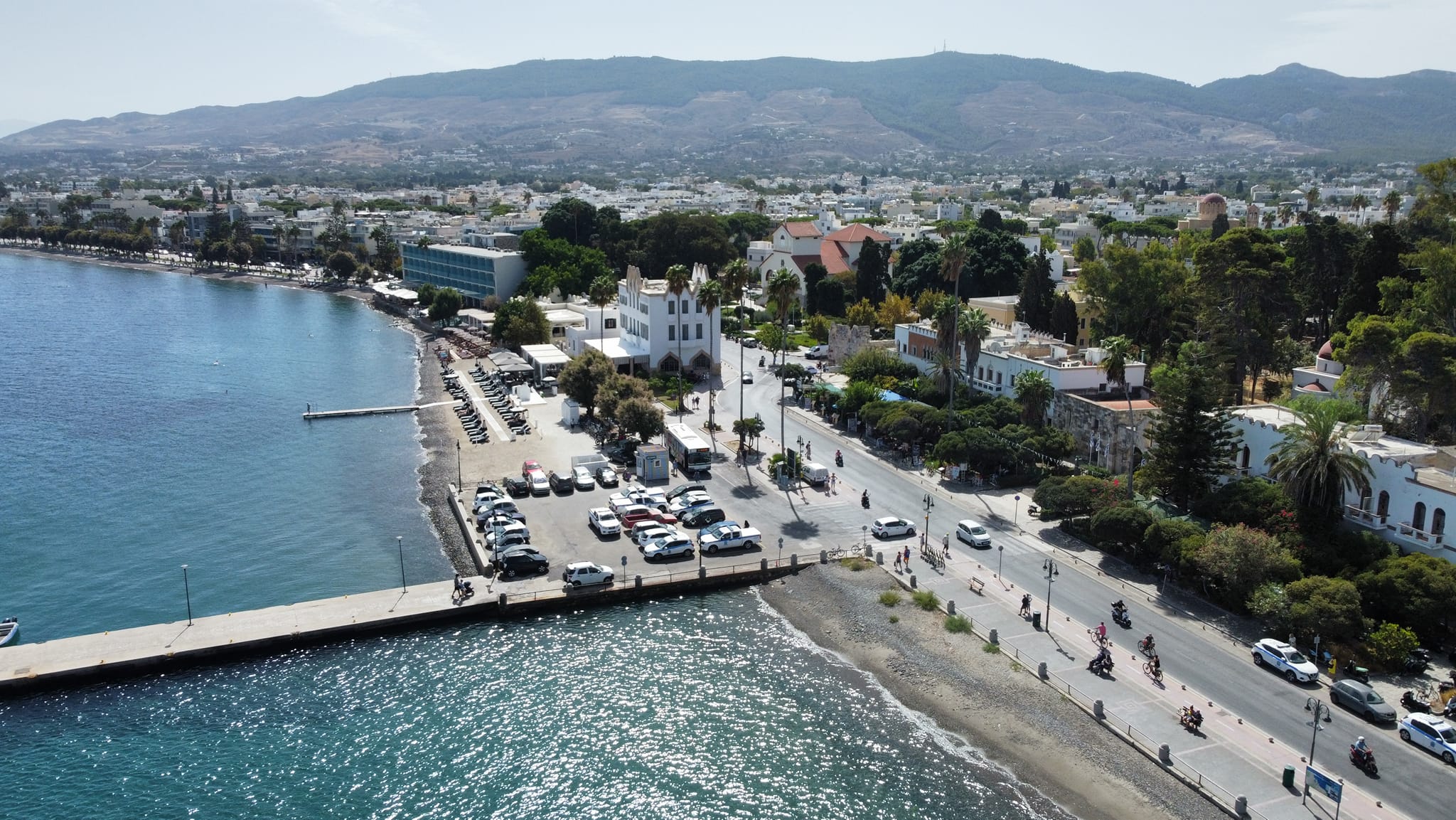
Kos is a picturesque Greek island located in the southeastern Aegean Sea. Known for its stunning beaches, rich historical sites, and warm Mediterranean climate, Kos attracts thousands of visitors annually. Here’s a guide to help you stay informed and safe on the island.

Quick Facts About Kos Island

  • Location: Southeast Aegean Sea, part of the Dodecanese Islands, Greece.
  • Population: Approximately 34,000 residents.
  • Language: Greek. English is widely spoken in tourist areas.
  • Currency: Euro (€).
  • Time Zone: Eastern European Time (EET), UTC +2. UTC +3 during daylight saving time.
  • Climate: Mediterranean, with hot, dry summers and mild, wet winters.
  • Main Attractions: Asklepion, Kos Town, Therma Beach, Hippocrates’ Plane Tree.

Useful Information for Visitors

Getting Around

  • Public Transport: Kos has a reliable bus system connecting major towns and tourist areas.
  • Car & Scooter Rentals: Popular for reaching remote areas. Valid EU or international driving licences are required.
  • Biking: Kos is very bike-friendly, especially around Kos Town and the coast.
  • Taxis: Available, but may be more expensive than other options.

Health & Safety Tips

  • Health Care: Kos has a public hospital, private clinics and pharmacies.
  • Water Quality: Tap water is generally safe, but many visitors prefer bottled water.
  • Sun Protection: Use sunscreen, hats and sunglasses, especially in summer.
  • Seismic Activity: Kos is in a seismic zone. Earthquakes are rare but possible.

Emergency Contacts for Kos Island

  • Police: 100 or (+30) 22420 22222
  • Fire Department: 199 or (+30) 22420 22199
  • Ambulance Service: EKAV 166
  • General Hospital of Kos: (+30) 22420 22331
  • European Emergency Number: 112
  • Tourist Police: (+30) 22420 23333
  • Port Authority: (+30) 22420 26594
  • Lost and Found: (+30) 22420 56000
  • Pharmacy On-Duty: (+30) 22420 28620

Staying Connected

SIM Cards & Wi-Fi

Local SIM cards are available for tourists. Many hotels, cafés and restaurants also offer free Wi-Fi.

Electrical Plugs

Greece uses standard European sockets, Type C and Type F, with 230V power supply.

Unique Island Events & Festivals

  • Hippocratia Festival: Celebrated in honor of Hippocrates with concerts, theatre and exhibitions.
  • Religious Feasts: Local saints’ days often include food, music and dancing. A key date is August 15, Assumption of Mary.

Final Travel Tips

  • Language Tips: Learn simple Greek phrases like “kalimera” and “efharisto”.
  • Beach Etiquette: Many beaches are family-friendly, but some are also nudist-friendly.
  • Peak Season: June, July and August are busy. For quieter visits, choose May, June or September.

Kos offers a harmonious blend of natural beauty, cultural richness and historical intrigue, making it a destination worth exploring in depth.